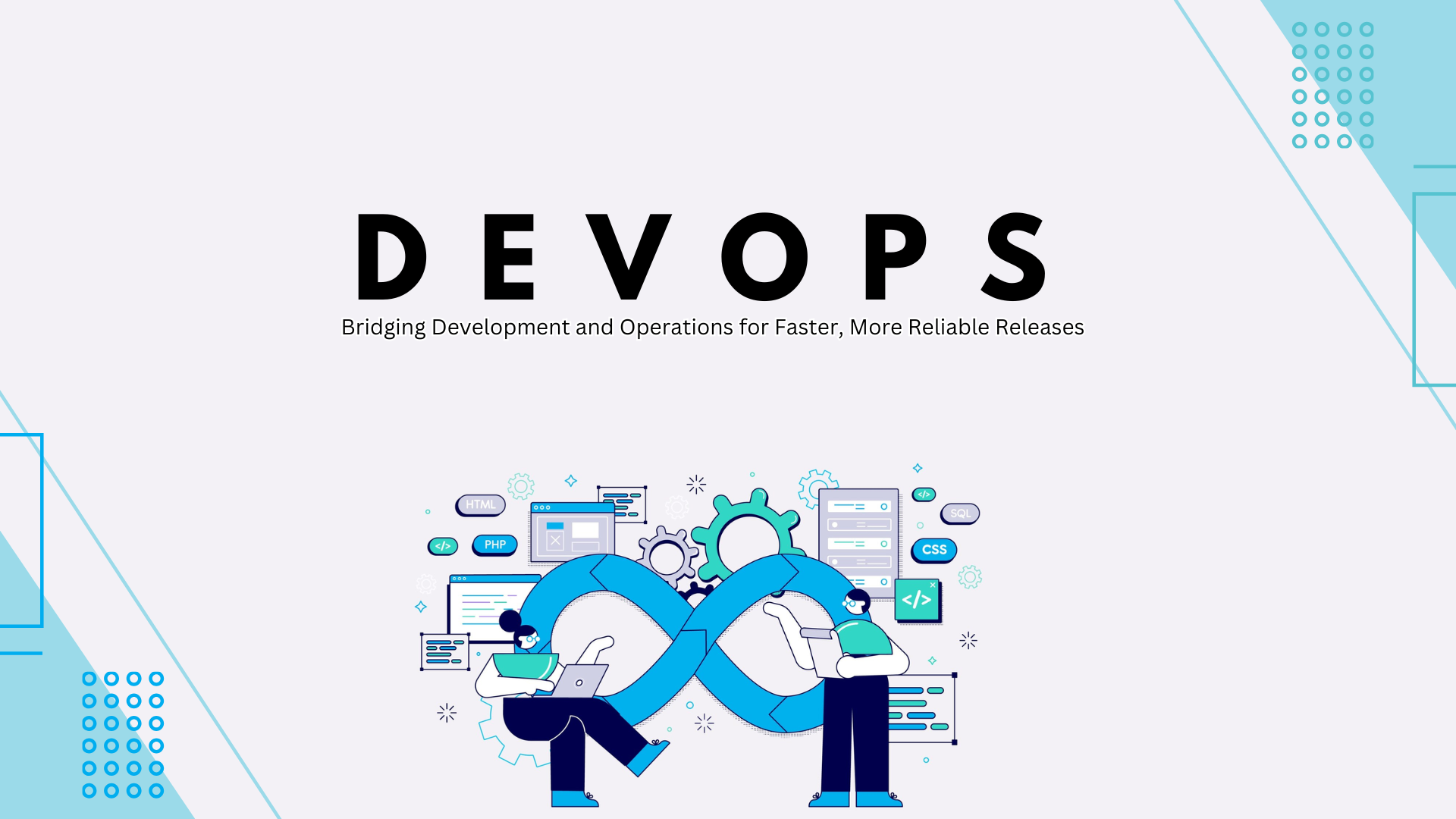
Ever wondered how software updates go from a developer’s laptop to your phone without a hitch? That seamless flow is often courtesy of DevOps—a set of practices and cultural values that bring developers and operations teams together. Instead of tossing code over a wall and hoping it runs in production, DevOps encourages collaboration, automation, and continuous feedback so you can deliver value faster and more safely.
Why DevOps Matters
In the old days, developers wrote code and handed it off to operations engineers who managed servers and deployments. Miscommunication, manual handoffs, and isolated silos meant new releases could take weeks, and emergency fixes often felt like scrambling to put out fires. DevOps flips that script by treating software delivery as a shared responsibility. When everyone shares ownership of the code—from build scripts to monitoring dashboards—you spot problems earlier, recover from failures faster, and keep features moving steadily into your users’ hands.
The Three Ways: Flow, Feedback, Continual Learning
- Optimize Flow
Think of your delivery pipeline as a kitchen line in a busy restaurant. Each stage—coding, testing, deployment—is a station. DevOps emphasizes smooth handoffs, automated checks, and fast feedback so orders (features) move from the stove (developer) to the table (production) without delays or mistakes. - Amplify Feedback Loops
In a restaurant, servers listen to diners: too salty, cold food, or slow service. In software, continuous monitoring and logging serve a similar role. When a new release causes an error, real-time alerts and dashboards let you react immediately—before customers start calling support. - Embrace Continual Learning
Every deployment, every incident is an opportunity to learn. Post-mortems (or blameless retrospectives) dig into what went right, what went wrong, and how to improve the next release. Over time, these small adjustments add up to a more resilient, adaptive team.
Key Practices
Continuous Integration (CI) keeps your codebase healthy by merging changes frequently and running automated tests on every commit. That way, you catch integration issues before they snowball.
Continuous Delivery (CD) builds on CI by automating deployments to staging or production environments. With a reliable pipeline, you can release with the click of a button—or even automatically when tests pass.
Infrastructure as Code (IaC) treats server configurations and network settings as versioned code. Instead of manually logging into machines, you declare your infrastructure in templates or scripts, making setups reproducible and auditable.
Automated Testing and Quality Gates ensure that each change meets your quality standards. From unit tests to end-to-end scenarios, automated checks act as gatekeepers that prevent flawed code from slipping through.
Monitoring and Observability give you insights into performance, user behavior, and system health. Tools that collect metrics, traces, and logs let you answer questions like “Why did this endpoint slow down?” or “Which deployment introduced that error?”
The Cultural Shift
Tools alone don’t guarantee success. DevOps demands a culture of trust and shared responsibility. When developers and operators pair up, talk openly about risks, and treat failures as learning opportunities, you break down blame games and encourage innovation. That means celebrating small wins—like reducing deployment times—and supporting each other when things go awry.
Getting Started
You don’t need a massive transformation overnight. Begin by automating one manual step—maybe writing a script to provision a test environment or setting up a simple CI pipeline. Invite operations to code reviews and developers to incident calls so everyone understands each other’s challenges. Over time, layer in more automation and shared practices.
Conclusion
DevOps isn’t a job title or a single tool—it’s a mindset that unites everyone behind the goal of delivering reliable software quickly. By focusing on flow, feedback, and continual learning, you’ll build systems that adapt to change, recover from failures gracefully, and delight users with frequent, stable releases. If you’re ready to break down silos and accelerate your delivery process, DevOps is the journey to embark on next.