Recently, at a tech meetup, I had a conversation with a fellow developer about how client expectations are shifting. One phrase stood out during our discussion: “Clients want agentic experience in their websites.”
At first, it felt like one of those buzzwords that make rounds in tech circles. But as we unpacked it further, it became clear that “agentic experience” is not just another trend it’s an evolution in how users interact with applications.
What is Agentic Experience?
In simple terms, an agentic experience is when a website or application doesn’t just passively serve content, but actively assists, reasons, and takes action on behalf of the user. Instead of users navigating multiple menus, searching endlessly, or performing repetitive steps, the system works like an intelligent assistant embedded into the application.
Think of it as the difference between:
- A traditional e-commerce site where you search, filter, and compare until you find a product.
- Versus an agentic-enabled site where you simply ask: “I’m looking for a budget-friendly office chair under ₹10,000 that supports long hours of work,” and the system instantly provides a tailored recommendation.
It’s about moving from click-driven interactions to intent-driven conversations.
Why Are Clients Asking for This?
Clients are recognizing that user attention spans are shorter, competition is tougher, and customer expectations are higher than ever. Delivering an agentic experience means:
- Personalization at scale – The app understands user context and responds accordingly.
- Reduced friction – Users get what they need faster, without complex navigation.
- Competitive edge – Businesses that adopt this early stand out as forward-thinking.
How Can We Build It?
From a technical standpoint, building agentic experiences often involves:
- AI models (like LLMs) to understand and process natural language queries.
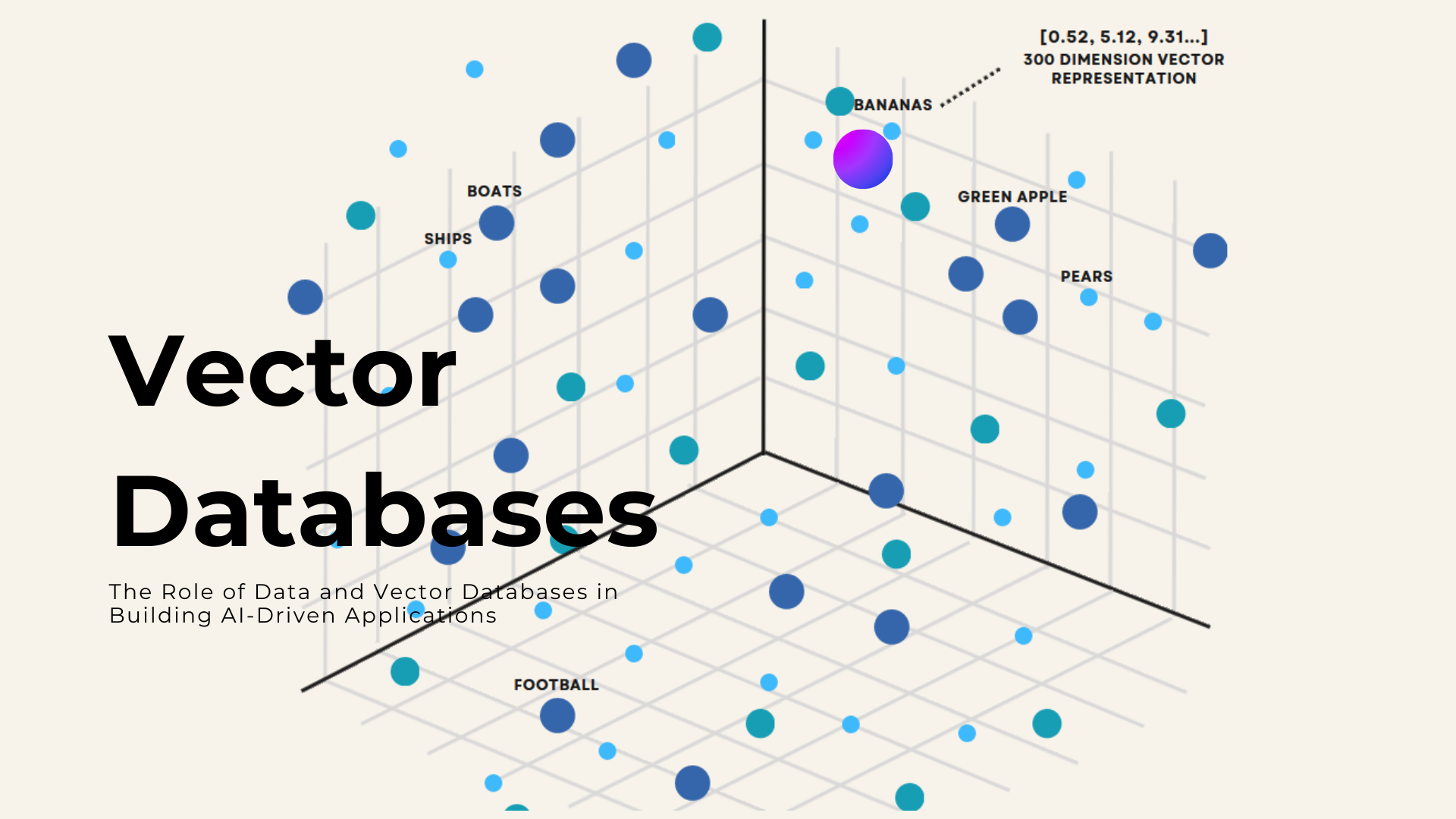
- Vector databases to store and retrieve contextual knowledge efficiently.
- Orchestration layers that connect user intent with business logic, APIs, and data sources.
- Front-end integration that makes the AI feel like a natural part of the user journey.
Frameworks like Next.js can still power the foundation, but the shift lies in how AI is embedded into the workflow of the application.
Final Thoughts
Agentic experiences are not about replacing traditional interfaces entirely. They are about augmenting them with intelligence so that the user feels the system is working with them instead of making them work for it.
The future of the web is agentic. Clients want it, users will expect it, and developers have the tools to make it possible.